Lead
G Tube
Plan a Video Before You Press Record
Explore
Path
Video Craft
Practical guidance on planning, filming, editing, and improving videos at any experience l
Path
Streaming Culture
Explore livestream habits, community norms, accessibility, and the changing ways people wa
Path
Camera Field Notes
Clear explanations of camera choices, lenses, lighting, sound, and techniques for real-wor
Path
Creator Toolkit
Independent advice on workflows, creative software, publishing decisions, and more intenti
Latest
Nearby places
All places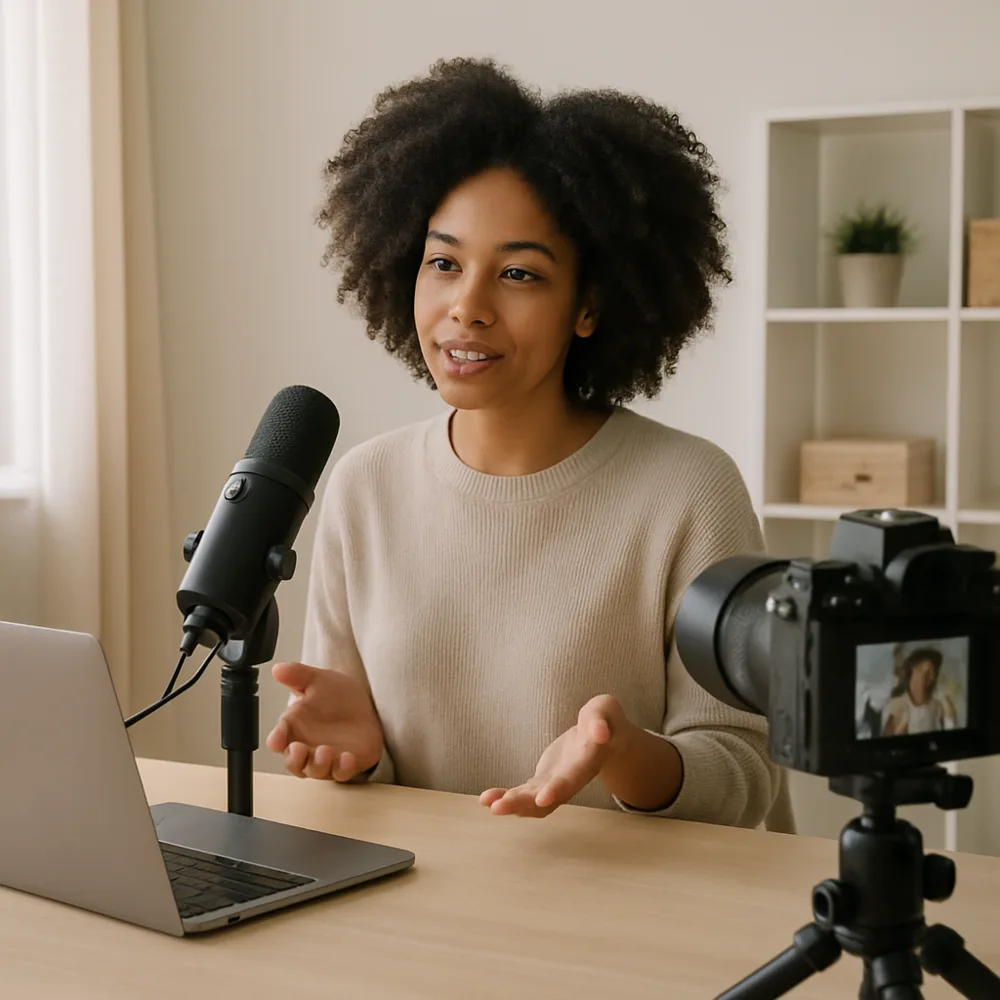
Why Planning Comes Before the Camera
Most videos that feel confusing, overlong or flat were not ruined in the edit. They were shaped by decisions made, or skipped, before anyone pressed record. A few minutes of planning saves hours of reshoots and cutting, and it is the single habit that separates purposeful video from footage that simply exists.
Start with one sentence
Before thinking about cameras or locations, write down what a viewer should know, feel or be able to do when the video ends. If that sentence is hard to write, the video is not ready to film yet. This one line becomes the test for every shot, every line of script and every cut: does it serve the point or distract from it?
Sketch the structure
You do not need a formal storyboard. A simple outline works well for most projects:
- Hook: the first few seconds that tell viewers why they should stay.
- Core: three or four main beats, each with a clear purpose.
- Close: a summary, a next step or a natural ending, not a sudden stop.
Next to each beat, note what the viewer will actually see. Talking to camera, a close-up of hands, a screen recording, a cutaway. This shot list stops you from discovering in the edit that you have nothing to show while you explain something important.
Check your conditions
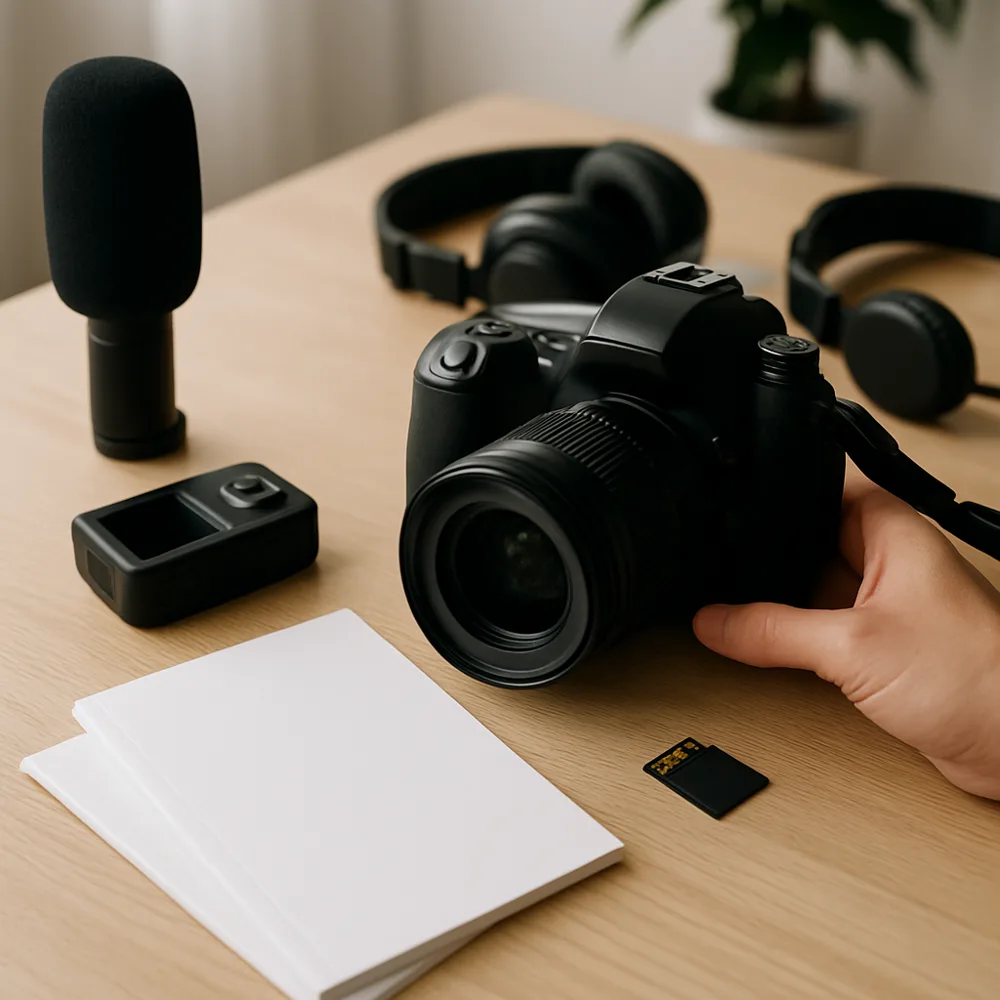
Light, sound and setting matter more than the price of your equipment. Decide where you will film and at what time of day, and listen to the room for traffic, fans or echo. If you rely on daylight, our guide to making better video with window light explains how to position yourself for soft, flattering results. If you are unsure which lens or framing suits the subject, understanding focal length and framing covers the basics.
Plan for the edit
Record a little extra at the start and end of each take, capture a few seconds of room tone, and keep file names consistent. These small habits make editing faster and calmer. For a full walkthrough, the Video Craft guide to planning goes step by step from idea to finished shoot.